
Explore a concise, printable PDF chart that lists all 66 books of the Bible, organized by Testaments and categories. Designed for quick reference, it highlights authorship, order, and key themes, making study and teaching effortless.Use it for study groups, sermon prep, or personal daily reflection more.
Purpose of the Chart
Designed as a compact, user‑friendly PDF, the chart serves as an at‑a‑glance guide for anyone navigating the biblical canon. By presenting the 66 books in their canonical order—split into the Old Testament’s Law, Prophets, and Writings, and the New Testament’s Gospels, Acts, Letters, and Revelation—it allows scholars, pastors, and lay readers to quickly locate a book, identify its authorial context, and see its place within the broader narrative arc. The chart’s clean layout, with clear headings and concise book titles, makes it ideal for classroom use, small‑group study, sermon preparation, and personal devotion. Its printable format ensures accessibility on any device, while the PDF’s scalable design preserves legibility from a phone screen to a large projector. Whether you’re mapping out a curriculum, cross‑referencing themes, or simply satisfying curiosity, this chart provides a reliable, time‑saving reference that enhances biblical literacy and encourages deeper engagement with Scripture.
Because the chart is available in PDF format, it can be annotated, printed in color or black‑and‑white, and shared digitally. The layout’s use of headings and shading helps readers differentiate between the major sections, while concise book titles keep page uncluttered. Whether you’re a seasoned scholar compiling a curriculum, a teacher preparing lesson plans, or a curious reader exploring the Bible’s structure, this tool offers a reliable, time‑efficient reference that supports deeper study daily in class and facilitates discussion in any setting.
Target Audience
The printable PDF chart is tailored for a wide spectrum of users who engage with biblical texts. It is especially useful for:
- Academic scholars who require a quick reference for citation and cross‑referencing across the Old and New Testaments.
- Seminary and theological students preparing coursework, dissertations, or teaching assistants who need an organized visual aid.
- Pastors and ministry leaders crafting sermons, Bible study outlines, or curriculum overviews that span the entire canon.
- Church educators leading Sunday school, small‑group study, or adult education classes who benefit from a concise, printable resource.
- Bible study groups that meet in homes or community centers, using the chart to track progress through the books.
- Personal readers who wish to deepen their knowledge of Scripture’s structure and authorship without navigating multiple volumes.
- Missionaries and outreach teams who require a portable, low‑cost tool for teaching Scripture in varied cultural contexts.
- Digital content creators producing study guides, podcasts, or video series that reference specific books of the Bible.
Because the chart is available in a lightweight PDF format, it can be printed on standard office paper or displayed on a screen, making it adaptable to both in‑person and virtual settings. Its clear categorization and concise labeling support quick lookup, ensuring that users can focus on interpretation rather than navigation.
In addition to classroom and study use, the chart can serve as a reference tool for missionaries preparing teaching materials for diverse cultural contexts. By highlighting authorship and historical placement, it assists in contextualizing passages for cross‑cultural communication. The PDF format also allows integration into digital study platforms, where hyperlinks can be added to each book title for instant access to full texts or commentaries. This flexibility enhances both traditional and tech learning environments in.

Bible Book Overview
The printable chart lists all 66 books, grouped by Old and New Testaments and further by Law, Prophets, Writings, Gospels, Acts, Letters, and Revelation. It offers concise titles, authorship hints, and order for quick reference.
It also includes brief notes on each book’s genre and key themes study.!!
Old Testament
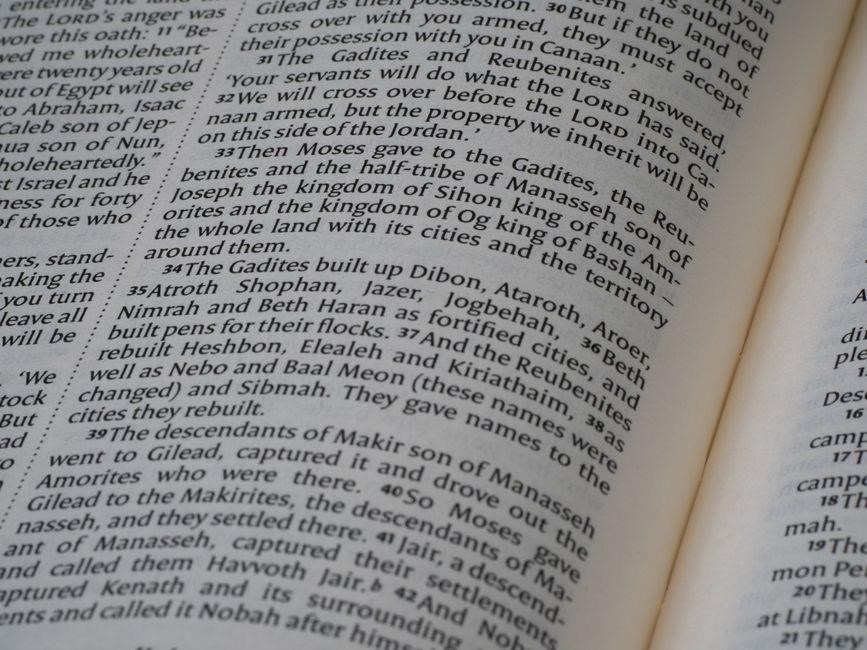
Within the printable PDF chart, the Old Testament is displayed as a cohesive anthology of 39 books, arranged in the traditional biblical sequence. This collection traces the narrative arc that begins with the creation story, moves through the patriarchal era, the Exodus, the establishment of the Mosaic covenant, the conquest and settlement of the Promised Land, the monarchy, the prophetic exhortations, and culminates in the prophetic visions of restoration. The chart provides concise book titles, authorial attributions where known, approximate dates of composition, and thematic highlights that emphasize covenant fidelity, divine justice, human fallibility, and the hope of redemption. By presenting each title in its canonical order, the chart serves as a quick reference for educators, students, and lay readers, allowing them to locate passages efficiently and to appreciate the theological continuity that threads through the entire Old Testament narrative. The overview also notes the diversity of literary genres—historical narrative, law, wisdom, poetry, and prophetic literature—while deliberately avoiding the detailed categorization that would be addressed in separate sections. This balanced summary equips users with a foundational understanding of the Old Testament’s scope, purpose, and enduring influence on subsequent biblical thought and cultural heritage. Spanning nearly four millennia, the Old Testament reflects the evolving relationship between God and humanity, capturing moments of covenant renewal, prophetic warning, and communal lament. Its literary richness—from the poetic laments of Lamentations to the prophetic declarations in Isaiah—offers a tapestry of human emotion and divine revelation. The text has shaped legal, ethical, and theological frameworks across cultures, influencing law codes, moral philosophy, and artistic expression. Scholars note that the Old Testament’s narrative structure, with its cycles of sin and redemption, provides a foundational paradigm that informs the New Testament’s fulfillment of covenant promises. For believers, the Old Testament remains a source of spiritual guidance, offering lessons on faith, obedience, and hope that resonate through centuries. Throughout history, the Old Testament has been translated into numerous languages, each rendition seeking to preserve its theological depth while making it accessible to diverse audiences. Its stories continue to inspire contemporary literature, music, and visual arts, demonstrating the enduring power of ancient narratives to speak to modern hearts. These translations underscore quest for meaning across global cultures!
New Testament
The printable PDF chart presents the New Testament as a 27‑book anthology that traces Jesus Christ’s life, ministry, death, and resurrection, followed by the church’s expansion. Arranged canonically, the books start with the four Gospels—Matthew, Mark, Luke, and John—each offering a view of the Messiah’s identity and mission. The narrative then follows the Acts of the Apostles, detailing missionary journeys, church growth, and gospel spread across the Mediterranean; The epistolary section contains Pauline letters—Romans through Philemon—addressing doctrine, ethics, and church governance, followed by general epistles—Hebrews, James, 1–2 Peter, 1–3 John, and Jude—providing exhortations and theological insights for diverse communities. Revelation concludes with imagery that speaks to God’s triumph over evil, offering hope to persecuted believers. Each title is paired with concise notes on authorship, dating, and key themes, enabling quick reference for study groups, sermon prep, or personal devotion. The layout emphasizes continuity between Gospels, Acts, and letters, showing how the early church applied Jesus’ teachings. The chart’s design allows easy printing and sharing, making it a valuable resource for educators, pastors, and lay readers seeking an overview of the New Testament’s composition and theology. By highlighting interconnectedness, the printable PDF promotes a holistic approach to Scripture, deepening engagement with Christian faith’s documents. The chart also includes cross‑references to key verses, helping readers trace thematic threads across the New Testament and deepen gospel understanding. Its compact layout supports quick reference, making it ideal for classroom instruction and personal study. Print on paper or laminate for durable classroom use, ensuring years of use for.!!!!!!

Old Testament Categories
The PDF chart divides the Old Testament into Law, Prophets, and Writings, each grouping reflecting Israel’s covenant journey. It lists books by order, authorship, and key themes, offering a reference for study, teaching devotion. Use it to explore the narrative arc PDF.
Law
The printable PDF chart presents the Law section—Genesis through Deuteronomy—as a foundational block of Israel’s covenant narrative. It lists each book in its traditional order, highlights the primary author (traditionally Moses), and notes key themes such as creation, covenant, law, and covenantal renewal. Genesis introduces creation, covenant with Abraham, and the patriarchal narrative; Exodus details the deliverance from Egypt, the giving of the Law at Sinai, and the establishment of the tabernacle; Leviticus focuses on priestly rites, holiness, and the sacrificial system; Numbers records the wilderness wanderings, census data, and the challenges of faith; Deuteronomy revisits the Law in the context of Israel’s impending entry into Canaan, emphasizing covenant fidelity. Students can use the chart to track the progression of the covenant, noting how each book builds upon the previous. The printable format supports color coding and margin notes, enhancing memorization and facilitating discussion in both academic and faith‑based settings. This resource aligns with study guides and depth! Also Now.
The chart’s clear layout separates each book, its author, and its main theological focus, enabling quick reference and deeper study. Users can annotate margins, highlight key passages, and create color‑coded study plans that reinforce memory retention and facilitate group discussion. This tool supports individual devotion and classroom lessons.

Prophets
The printable PDF chart outlines the Prophets section of the Old Testament, listing the twelve major prophets—Isaiah, Jeremiah, Lamentations, Ezekiel, and Daniel—plus the twenty minor prophets from Hosea to Malachi. Each book appears in canonical order with its traditional author, core themes, and key prophetic messages highlighted. Isaiah’s vision of a future Messiah, Jeremiah’s lament over Israel’s exile, Ezekiel’s symbolic visions of restoration, and Daniel’s apocalyptic revelations are emphasized. The minor prophets deliver calls to repentance, social justice, and faithfulness, each set against historical contexts. The chart’s format lets users quickly spot thematic threads—such as covenant fidelity, divine judgment, and hope of redemption—across the prophetic corpus. Sections aid differentiation, while margin spaces allow personal annotations. This resource suits sermon preparation, academic study, or personal devotion, offering an overview that supports engagement with prophetic literature. The chart also notes the historical backdrop of each book—Babylonian exile, Assyrian threat, Persian period. It highlights recurring motifs like the “Day of the Lord,” “Messianic hope,” and the “call to justice.” Users can trace the evolution of prophetic thought from the early covenantal era to the post‑exilic period, noting shifts in tone and emphasis. The PDF’s design includes a legend explaining symbols and codes, making it easy to cross‑reference passages with related biblical themes. For educators, the chart serves as an aid in lectures helping students see connections between prophets and biblical narrative. Personal study, it encourages reflective reading prompting questions such as “How does the prophet’s message resonate with contemporary issues?” and “What lessons can be drawn for today’s faith community?”for deeper insight
Writings

The printable PDF chart presents the Writings section of the Old Testament, encompassing 22 books that blend poetry, wisdom, and narrative. It lists Psalms, Proverbs, Ecclesiastes, Song of Songs, Ruth, Lamentations, Esther, Daniel, Ezra, Nehemiah, Chronicles, Job, and the five Minor Chronicles (1–5). Each entry shows the traditional author, original language, and main thematic focus—such as divine sovereignty, human suffering, and covenant faithfulness. The chart highlights key passages like Psalm 23, Proverbs 3, and Ecclesiastes 12:13, offering quick reference for study and meditation. It also notes historical context: Esther’s Persian setting, Daniel’s Babylonian exile, and the post‑exilic reforms of Ezra and Nehemiah. Users can annotate marginal notes, track cross‑references, and compare thematic motifs across the Writings. The PDF’s layout includes a legend for symbols, a color‑coded index, and space for personal reflections. This resource supports sermon preparation, academic coursework, and daily devotion, enabling readers to see how these diverse books collectively reinforce the Bible’s overarching narrative of redemption and hope. The chart also includes a quick cross‑reference guide, allowing readers to trace themes such as covenant fidelity, prophetic warning, and restoration promises across the Writings. Its user‑friendly layout offers ample margin space for notes, highlighting, and personal reflection, making it a vital tool for individual devotion and group study. It also serves as reference for teachers.

New Testament Categories
The printable PDF chart divides the New Testament into four categories: Gospels, Acts, Letters, and Revelation. Each section lists books, authors, dates, and key themes, enabling quick reference for study, teaching, and personal devotion. It highlights interconnections across the canon. Daily study aid.
Gospels
In the printable PDF chart, the Gospels are presented as the first category of the New Testament, offering a structured overview of the four canonical accounts of Jesus’ life, ministry, death, and resurrection. The chart lists each Gospel with its traditional author, estimated date of composition, and a brief thematic summary. Matthew, attributed to the apostle and tax collector, is dated around 70‑80 CE and emphasizes Jesus as the promised Messiah, highlighting fulfillment of Old‑Testament prophecy. Mark, the earliest Gospel, dated 65‑70 CE, presents a concise narrative focused on Jesus’ actions and suffering, serving as a model for evangelism. Luke, written by the physician and companion of Paul, dated 80‑90 CE, offers a detailed, historically oriented account, stressing Jesus’ compassion for the marginalized and the role of the Holy Spirit. John, dated 90‑110 CE, provides a theological reflection on Jesus’ divine identity, featuring the “I am” statements and the profound discourse on love and eternal life. The chart’s layout includes columns for book title, author, date, and key themes, allowing quick cross‑referencing and facilitating study sessions, sermon preparation, and personal devotion. By consolidating this information into a single, printable PDF, users can easily access a comprehensive snapshot of the Gospels without navigating multiple resources. This chart offers a reference, letting scholars, students, and readers compare Gospel narratives side‑by‑side to spot shared themes and insights deep more.
Acts
In the printable PDF chart, Acts is presented as the bridge between the Gospels and the New Testament letters. Authored by Luke, the same writer of the Gospel of Luke, it is dated to about 80‑90 CE. The chart lists Acts with its author, date, and a concise thematic overview. It highlights the early Church’s missionary zeal, the spread of the gospel beyond Jerusalem, and the pivotal role of the Holy Spirit. Key events such as Pentecost, the conversion of Saul, and the Council of Jerusalem are summarized, offering quick reference for study groups and sermon preparation. The chart’s layout includes columns for book title, author, date, and main themes, enabling side‑by‑side comparison with the Gospels and the letters. By consolidating this information into a single, printable PDF, users can easily access a comprehensive snapshot of Acts without navigating multiple resources. This resource is ideal for pastors, teachers, and students seeking a structured overview of the early church’s growth and challenges, making it a valuable tool for personal devotion and academic study. The book also records the early church’s organizational structure, the roles of apostles, and the spread of faith into Gentile regions, illustrating the foundational principles that guided the nascent Christian community. Additionally, Acts provides insight into early Christian worship practices, the use of the Holy Spirit in decision‑making, and the challenges of maintaining unity amid diverse cultural contexts. This chart serves as a quick reference for studying Acts!!.
Letters
In the printable PDF chart, the Letters section consolidates the epistolary portion of the New Testament, offering a streamlined view of the pastoral, theological, and practical guidance that shaped early Christian communities. The chart lists each letter by its traditional title, author, date, and primary audience, arranged chronologically to reflect the development of early church doctrine and practice. Key figures such as Paul, Peter, James, John, and Jude are highlighted, with brief notes on their theological emphases—Paul’s focus on justification by faith, Peter’s emphasis on perseverance, James’s counsel on works, John’s love ethic, and Jude’s warnings against false teachers. The chart also indicates the letters’ original language (Greek) and the approximate year of composition, ranging from 49 CE (James) to 96 CE (Revelation) 2026 CE. For each letter, the chart offers a concise summary: Pauline epistles address law, grace, and order; Catholic epistles discuss faith, hope, and living; Johannine epistles emphasize love, truth, and Christ. The printable format allows quick cross‑referencing with the Gospels and Acts, facilitating study plans, sermon outlines, and academic coursework. By presenting the Letters in a single, organized PDF, readers can locate a specific epistle, compare motifs across authors, and track early Christian thought without consulting multiple sources; This resource is invaluable for pastors, scholars, and lay readers seeking a coherent overview of the epistolary tradition in the New Testament.

Revelation
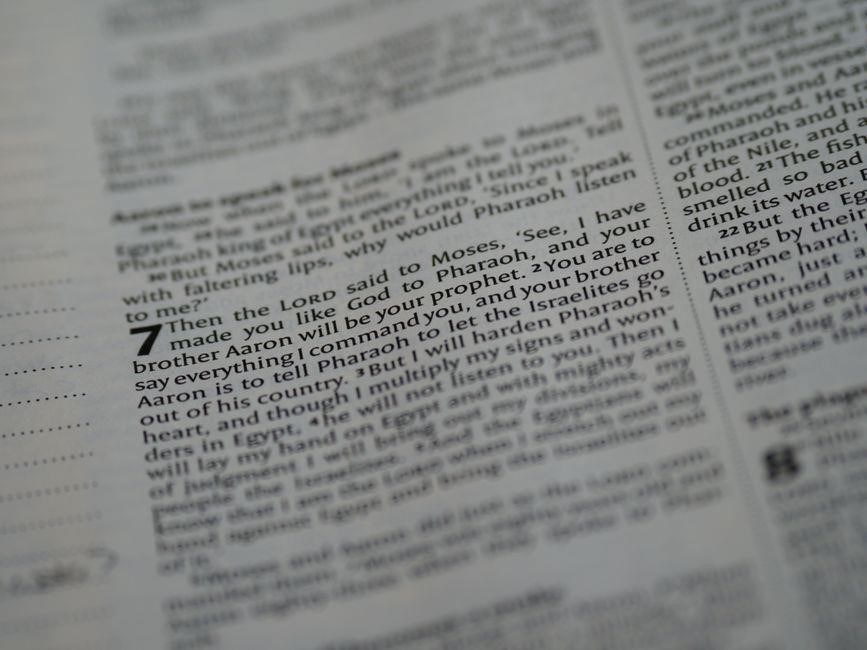
The printable PDF chart’s Revelation section presents the final book of the New Testament in a clear, accessible format. It lists the book’s title, author (traditionally John the Apostle), date of composition (circa 95 CE), and original language (Greek). The chart organizes the 22 chapters into thematic clusters: visions of the throne, the seven churches, the cosmic drama, and the consummation of history. Each cluster is annotated with key symbols—such as the seven seals, trumpets, and bowls—alongside concise interpretive notes that highlight common scholarly themes: divine judgment, the sovereignty of Christ, and the ultimate hope of believers. The chart also cross‑references related passages in the Gospels and Acts, enabling readers to trace prophetic motifs across the New Testament. Designed for quick reference, the PDF allows pastors, teachers, and students to locate specific verses, compare iconography, and incorporate Revelation into sermons, study guides, or academic curricula. By consolidating complex apocalyptic imagery into a single, printable resource, the chart makes the book’s profound theological messages readily available to anyone seeking deeper insight into the culmination of biblical prophecy. Readers can also use the chart to compare Revelation’s symbolic language with the prophetic books of the Old Testament, noting parallels in visions of judgment, the use of numbers like seven and twelve, and the recurring motif of the Lamb, thereby deepening their understanding of biblical continuity and more insight.

Printable PDF Resources
For those seeking a tangible study aid, the printable PDF chart offers a comprehensive, user‑friendly layout of all 66 books of the Bible. The file, available for free download, is organized by Testament and further divided into the traditional Old Testament categories—Law, Prophets, and Writings—and the New Testament divisions of Gospels, Acts, Letters, and Revelation. Each book is listed with its original title, author attribution, date of composition, and key thematic highlights. The PDF’s design emphasizes clarity: bold headings, numbered chapters, and concise annotations that point to significant verses and cross‑references. This makes it ideal for classroom use, small‑group study, or personal devotion, allowing quick navigation to any book or chapter without flipping through a physical volume. Additionally, the chart includes a brief summary of each book’s purpose, major themes, and its place within the broader biblical narrative, providing context for deeper reflection. Users can print the chart in full color or black‑and‑white, and the high‑resolution format ensures legibility even when scaled. The PDF also contains a printable index, making it easy to locate specific passages or themes across the entire canon. By consolidating essential information into a single, portable resource, the printable chart serves as a valuable companion for scholars, clergy, and anyone interested in exploring the structure and content of the Bible in a practical, accessible format. Download now deepen faith.